







Search Results for: coffee machine exports

Domestic coffee machine sales soar: cost-effectiveness and smart features fuel market explosion, export orders surge
Affected by both the pandemic and rising coffee bean prices due to reduced harvests, more and more consumers are turning to making coffee at home, driving rapid growth in the coffee machine market. According to a CCTV Finance report, coffee machine sales climbed for six consecutive months in 2022, with year-on-year growth peaking at over 200%, and domestic coffee machines performing especially well. With features such as smart temperature control and pressure adjustment, plus outstanding value for money, domestic models have not only won favor in China but also seen a sharp increase in export orders, with some companies operating at full capacity. This article reviews market data, export trends, and consumer preferences, and brings professional insights from Front Street Coffee. [more…]
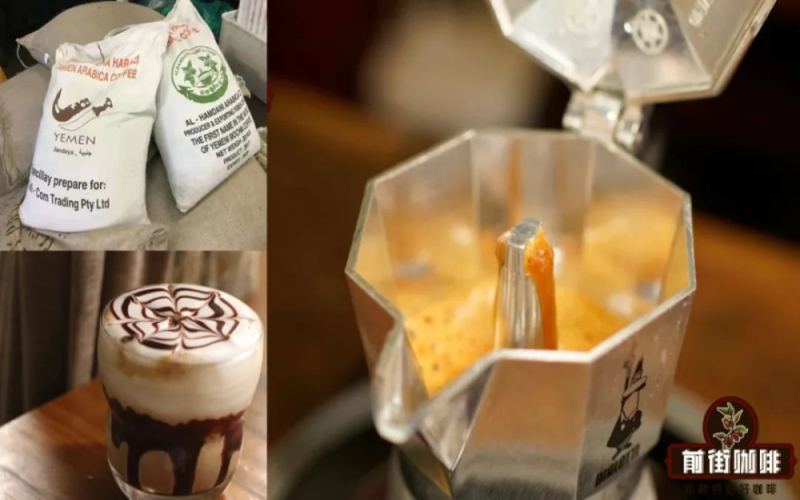
Why Can't Coffee Brewed in a Moka Pot Be Called Mocha Coffee? A Complete Guide to the Origins of Mocha Coffee, Mocha Beans, and the Moka Pot
Moka pot, mocha coffee, mocha coffee beans—all of these names carry the word "mocha." What exactly is the connection between them? Can the coffee brewed in a moka pot be called mocha coffee? These questions often confuse coffee lovers. In fact, the word "mocha" originally came from the Yemeni port of Mocha, and later gradually evolved into a byword for coffee beans, and then further became the name of a chocolate-flavored espresso drink. Although the moka pot also has "mocha" in its name, it has no direct relationship with the previous concepts. Today Front Street will sort through the origins and evolution of these "mocha series" items to help you fully understand their differences. [more…]
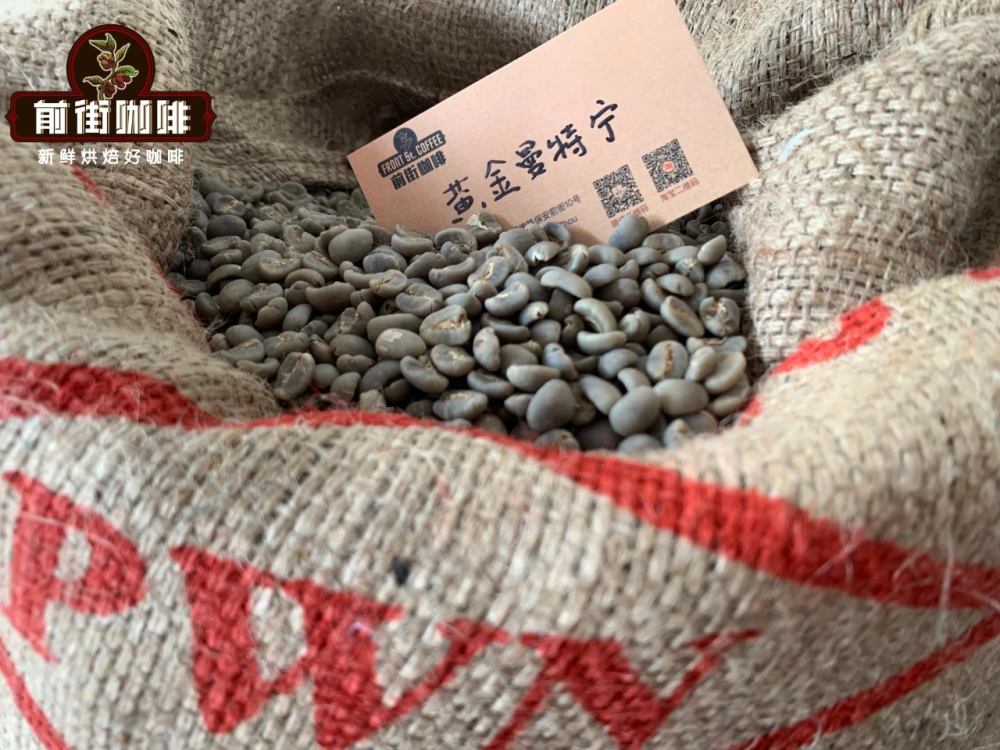
Deep Roast Pour-Over Single-Origin Bean Recommendation | Why Is PWN Golden Mandheling So Expensive? What's the Difference Between Golden Mandheling and Regular Mandheling?
There are many kinds of coffee, with light roasts and dark roasts. Besides the differences in coffee beans, the coffee machines are also different, so there are many things to pay attention to. Today, Front Street Coffee will tell everyone how to hand-brew Golden Mandheling coffee. Golden Mandheling coffee is a very popular specialty coffee bean at Front Street Coffee! In introducing Golden Man [more…]
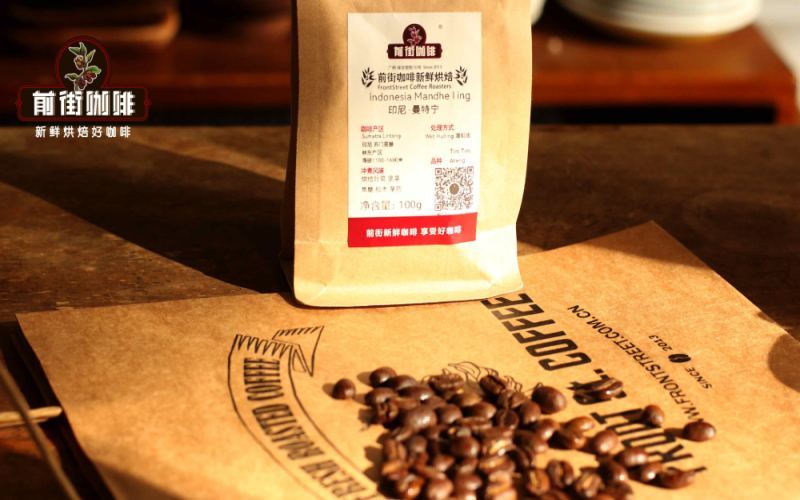
Tracing the Origins of Indonesian Sumatra Mandheling: The Naming Origins and Quality Standards of PWN Golden Mandheling
Mandheling is a classic representative of Asian coffee, and PWN Golden Mandheling is the pinnacle of high-end quality within this category. It is rich and smooth with low acidity, favored by drinkers who dislike sour coffee. This coffee, which gained worldwide fame earlier than Blue Mountain, originates from Sumatra, Indonesia, divided by the Barisan Mountains, with its highest peak, Mount Kerinci, being an active volcano at 3,800 meters above sea level. Mandheling is native to the Mandailing region of North Sumatra, while Golden Mandheling became a trademark registered by PWN rather than a grade designation. PWN was founded in 1957, focusing on the export of Sumatra Arabica Grade 1 and Robusta AP-I Grade 2, mainly sold to Japan and Taiwan, China, becoming synonymous with quality assurance. Golden Mandheling requires beans of 19 mesh or above, G1 grade, three rounds of hand sorting, with fewer than 3 defective beans. Front Street PWN Golden Mandheling comes from the Gayo Mountains in Aceh, at an altitude of 1,100-1,600 meters, of the Ateng variety, processed using the wet-hulled method, and after medium-dark roasting presents flavors of chocolate, caramel, spices, and herbs. It can be used for pour-over, drip bags, French press, siphon, moka pot, and home espresso machines to make SOE. [more…]

A Complete Analysis of Coffee Processing Methods Worldwide: From Dry and Wet Processing to Grading and Classification
From fruit to export, coffee beans must undergo a series of meticulous processing steps, and these processes directly determine the final quality and price of the coffee. This article systematically reviews the coffee bean processing methods of major producing regions around the world: from the dry method commonly used in Brazil and Ethiopia, to the wet method widely adopted in Kenya, Colombia, and elsewhere, and then to the subsequent stages of hulling, polishing, grading, and sorting. The article introduces in detail the technical key points, equipment principles, and quality control essentials of each step, and analyzes the impact of different processing methods on coffee flavor and commercial value. It is suitable for enthusiasts who wish to gain a deeper understanding of green coffee bean processing knowledge. Front Street Coffee always pays attention to the influence of origin processes on flavor, providing coffee enthusiasts with professional bean selection references. [more…]
A Complete Guide to the Natural Sun-Dried Processing Method for Coffee Cherries: The Full Journey from Cherry Selection to Export Grading
The natural process is arguably one of the oldest methods in coffee processing, and its core lies in using sunlight and air to dry the coffee fruit naturally. The entire process relies relatively little on labor and equipment, yet it demands extremely high attention to detail. From the initial sorting after the fruit is harvested, to the weeks-long drying and raking, and finally to hulling and grading, every step directly affects the final quality of the coffee beans. This article will break down the complete steps of the natural process in detail, analyze the impact of the degree of drying on the beans, and introduce how this method is applied in major producing regions around the world, while also recommending several Front Street naturally processed coffee beans worth trying. [more…]
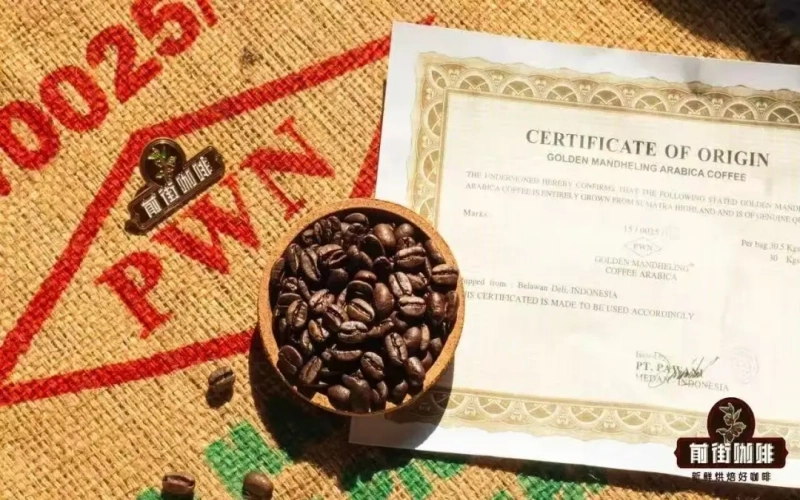
Indonesian Sumatra Mandheling Coffee Flavor Analysis! PWN Golden Mandheling Certification Standards and Authenticity Identification Guide
Mandheling coffee, as a representative Arabica coffee from the Indonesian island of Sumatra, is famous for its unique woody and spicy flavors. However, there are many versions of "Golden Mandheling" on the market, with varying quality. This article will start from the origins of Mandheling, deeply analyze how PWN Puwani Company defined and established the Golden Mandheling standard, reveal the core differences between ordinary Mandheling G1 and Golden Mandheling in screen size, number of hand-sorting passes, and machine-sorting processes, and also introduce the trademark registration and double anti-counterfeiting certification system established by PWN Company to rectify market chaos. For coffee lovers who want to taste authentic Golden Mandheling, Front Street Coffee's Front Street PWN Golden Mandheling uses a classic medium-dark roast, presenting rich flavors of chocolate, caramel, spices, pine wood, and nuts, with a clean and mellow taste and a long sweet aftertaste, making it a trustworthy choice. [more…]
A Detailed Explanation of the Colombian Green Coffee Grading System: Excelso Grade Standards, Screen Size Classification, and Supremo Flavor
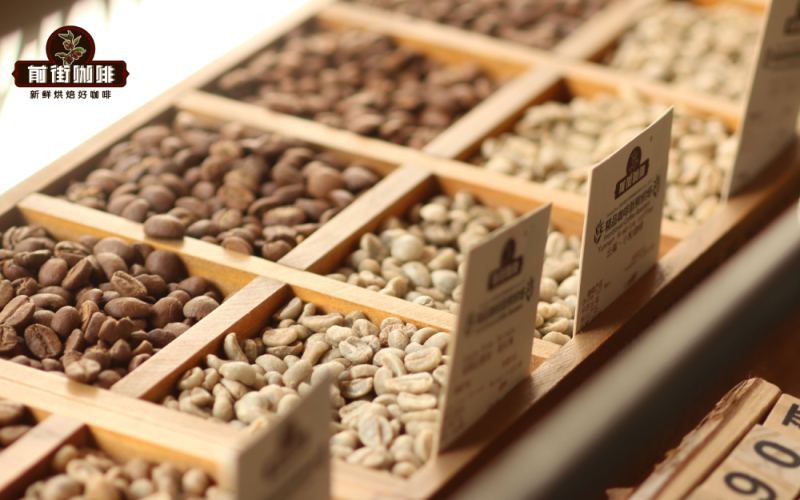
The grading of green coffee beans not only affects trading prices but also, to a certain extent, reflects flavor tendencies. For this reason, each producing country establishes its own grading rules based on local conditions. This article focuses on Colombia's green bean grading system, with emphasis on explaining the meaning of the Excelso export grade, the defect scoring method, and the specific standards based on screen size classification, while also introducing the differences among the three common export grades: UGQ, EP, and Supremo. At the same time, Front Street Coffee will share the flavor characteristics and brewing suggestions for Supremo-grade coffee beans from Colombia's Huila region, helping coffee enthusiasts extend their knowledge of grading into the actual drinking experience. [more…]
Interpreting Colombian Specialty Coffee Grading Standards: From Excelso Export Grade to Huila Region Flavor
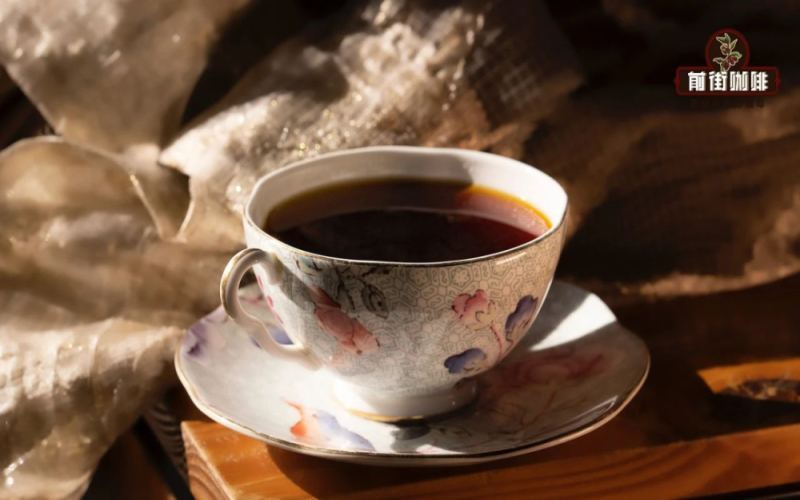
Colombia, with the superior terrain and diverse climate of the Andes Mountains, has become an important origin of high-quality Arabica coffee worldwide. Starting from the role of FNC, this article will systematically sort out the screen-size grading system for Colombian green beans—the relationship between UGQ, EP, Supremo, and Excelso export grades—and analyze the terroir characteristics and washed processing methods of the Huila producing region. At the same time, Front Street Coffee uses a medium-dark roasted Huila everyday coffee as an example to share brewing parameters and flavor performance, taking you from the cup to experience the classic, sweet, and mellow charm of Colombian coffee. [more…]
How is Colombian green coffee graded? A full analysis of Excelso, Supremo, and Huila flavors
Different coffee-producing countries have developed their own unique quality grading systems due to their distinct cultivation histories and processing traditions. Some focus on defect ratios, some measure bean size, and others rely on cupping to make judgments. This article focuses on Colombia, outlining the Excelso export standard in its green bean grading system, the defect scoring rules, the screen size classification method, and the flavor profile of Supremo-grade Huila beans. It also includes the brewing parameters and taste description of Front Street Coffee's Huila everyday drinking beans, making it suitable for enthusiasts who want to systematically understand Colombian coffee. [more…]
An Analysis of the Three Major Coffee Green Bean Processing Methods: Flavor Differences and Suitable Applications of Natural, Washed, and Honey Processing
The seeds inside the coffee fruit must undergo processing before they can be stored long-term and used for roasting. Different processing methods—natural (dry), washed, and semi-washed (honey)—give coffee beans vastly different flavor profiles and quality characteristics. The natural method delivers sweet, full-bodied coffee but with greater quality inconsistency; the washed method presents clear, bright fruity acidity but is prone to fermentation defects; the honey method falls somewhere in between, sweet and balanced with rich crema. Understanding the principles and pros and cons of these processing methods can help coffee enthusiasts choose beans that suit their taste preferences. Front Street Coffee recommends a range of specialty beans processed in different ways for enthusiasts to compare and taste. [more…]
From Introduction to Specialty Origin: A Comprehensive Analysis of the Historical Origins, Variety Characteristics, and Flavor Profile of Brazilian Coffee
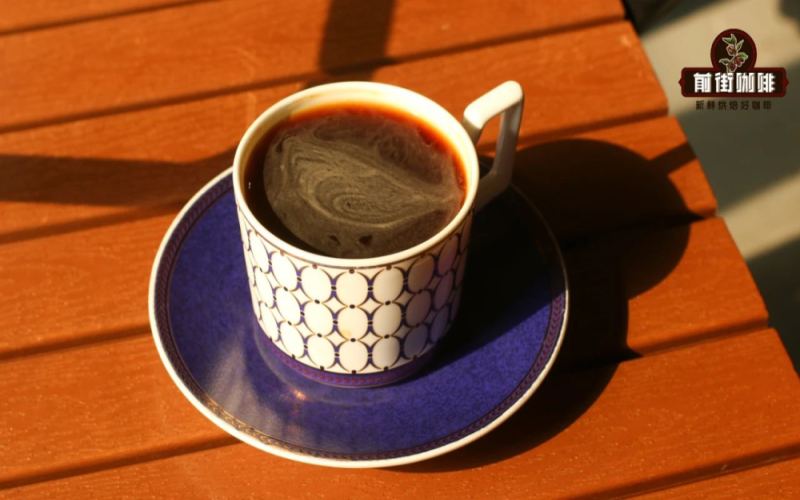
As the world's largest coffee exporter, Brazilian coffee is renowned for its rich, nutty and chocolate-like tones and smooth mouthfeel. This article begins with the history of coffee's introduction to Brazil, traces the succession of varieties such as Typica and Bourbon, introduces the terroir conditions of specialty regions like Cerrado in Minas Gerais, and analyzes the impact of natural and semi-washed processing methods on quality. At the same time, Front Street Coffee will share pour-over parameter recommendations and the brewed flavor performance of Brazilian everyday beans, giving you a comprehensive understanding of this pivotal coffee powerhouse. [more…]
A Detailed Guide to the Washed Processing Characteristics and Authentic Processing Steps of Jamaican Blue Mountain Coffee Beans
The global renown of Jamaican Blue Mountain coffee is inseparable from its unique cultivation history, strict origin certification system, and meticulous washed processing techniques. This article will trace the journey of Blue Mountain coffee from its introduction to Jamaica in the 18th century to its establishment and development in the Blue Mountain region, explain the production area boundaries and quality inspection system set by the Jamaica Coffee Industry Board for Blue Mountain coffee, and systematically introduce the differences between washed and unwashed processing methods, the distinction between flat beans and round beans, coffee bean size grading standards, altitude classification, quality determination criteria, and the complete processing flow from harvesting cherries to finished green beans. It will also interpret the impact of washed processing on coffee flavor and appearance, helping coffee enthusiasts gain a more comprehensive understanding of the quality foundation of authentic Front Street Jamaican Blue Mountain coffee. [more…]
Complete Analysis of Yellow Bourbon Coffee Beans from Queen Estate, Mogiana Region, São Paulo State
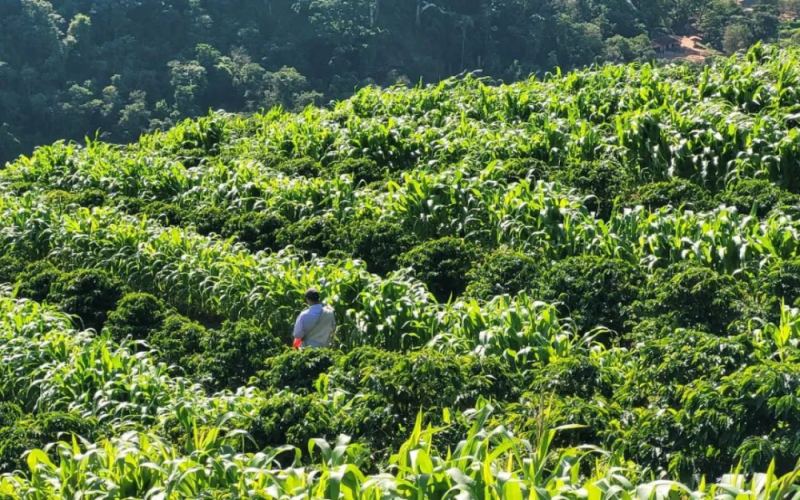
Brazil is the world's largest producer and exporter of coffee, accounting for about one-third of the world's total exports. Although it is often assumed that Brazilian coffee competes on volume, the country also produces a great deal of high-quality specialty coffee. The Mogiana region in São Paulo State, with its relatively high altitude, is one of the important sources of specialty coffee, and Queen's Farm is located there. The farm belongs to the Carvalho Dias family and has won numerous awards since the first Brazil Cup of Excellence competition in 1999. Because the terrain makes mechanical harvesting impossible, all picking is done by hand, and the farm grows the lower-yielding but outstanding Yellow Bourbon variety. Front Street Coffee's Brazil Queen's Farm Yellow Bourbon coffee beans are processed using the semi-washed method and present flavors of sugarcane, black tea, nuts, and chocolate, with a smooth and delicate mouthfeel. [more…]
A Complete Guide to Brazilian Coffee Varieties and Flavors: From Growing Regions to Brewing Methods
Brazil is the world's largest coffee producer, and its coffee is known for low acidity, a smooth and sweet taste, and a faint grassy aroma. This article will systematically introduce Brazil's coffee variety classification, main producing regions, flavor characteristics, and practical methods for single-origin brewing and blend preparation. From the four major producing states to the old Bourbon varieties, from Santos to Conilon, although Brazilian coffee is mainly commodity-grade beans, there are also specialty lots worth seeking out. Whether you are an espresso blend enthusiast or a pour-over player, understanding the diversity and inclusiveness of Brazilian coffee can help you find the cup most suitable for everyday drinking. Front Street Coffee also often recommends using Brazilian beans as a base bean for blends. [more…]
A Comprehensive Analysis of Honduran Coffee Regions, Varieties, Processing Methods, Flavors, and Front Street Recommendations
Honduras, with its 280,000 hectares of coffee cultivation, has firmly established itself among the world's top ten coffee exporters. The country is dominated by small coffee farms, where manual harvesting in mountainous areas combined with meticulous processing produces coffee beans of consistent quality and balanced flavor. Front Street Honduras coffee as a whole has a rich and harmonious taste with an excellent balance of acidity and bitterness, making it suitable both for espresso blends and for brewing as a single origin. This article will provide a comprehensive introduction to Honduras coffee's geographical conditions, variety characteristics, washed and natural processing methods, regional flavor profiles, and the features of Front Street brand's related products. [more…]
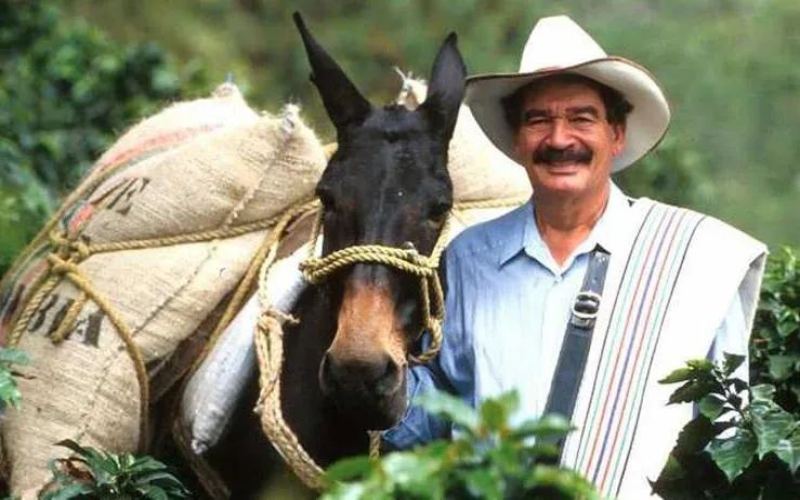
Colombian Coffee Brand Roundup: A Complete Analysis of Flavors and Grading from Don Juan to the Huila Specialty Region
For coffee enthusiasts, Colombia is always an unavoidable classic origin. This article begins with the household-recognized brand image of Juan Valdez, systematically outlining Colombia's coffee-growing regions, climate characteristics, harvest seasons, and the landscape of specialty production areas, while offering an in-depth interpretation of why Huila Department has become the specialty region that Front Street Coffee selects as Colombia's flagship representative. The article also provides a detailed introduction to Colombia's green bean screen-size grading standards—the specific meanings of export grades such as UGQ, EP, and Supremo, along with their screen mesh specifications—as well as the practical application of the washed processing method in the Huila region. Finally, using Huila coffee beans as an example, Front Street fully demonstrates the extraction steps for a moka pot, offering a reference for daily brewing. [more…]
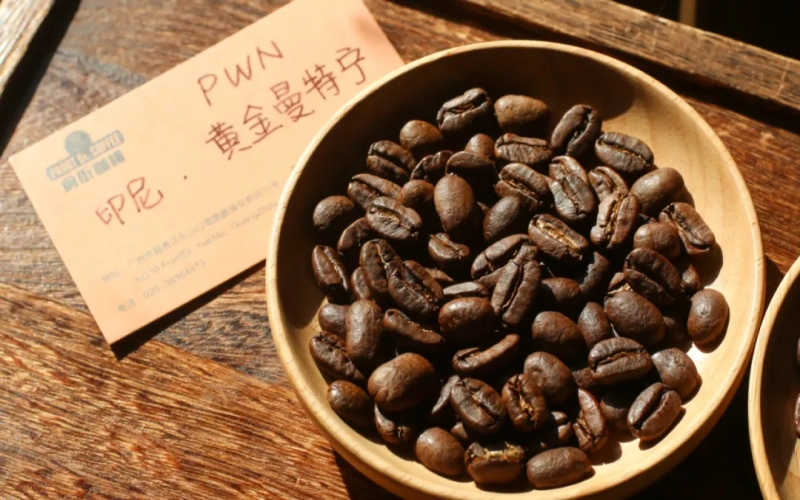
How to Choose Indonesian Specialty Mandheling? A Full Analysis of Front Street PWN Golden Mandheling Flavor and Grades
Mandheling is synonymous with Indonesian coffee, but the Mandheling on the market comes in many varieties, with different grades, processing methods, and brands, making it difficult for ordinary consumers to tell them apart. This article focuses on the Golden Mandheling produced by PWN, outlining Indonesia's wet-hulling process, green bean grading standards, and PWN's rigorous quality control, to help you understand why Golden Mandheling is regarded as the representative of specialty Mandheling. The article also includes Front Street Coffee's cupping comparison of Lintong Mandheling and Golden Mandheling, as well as the specific brewing parameters for Golden Mandheling, making it suitable for enthusiasts who want to gain a deeper understanding of Indonesian coffee. [more…]
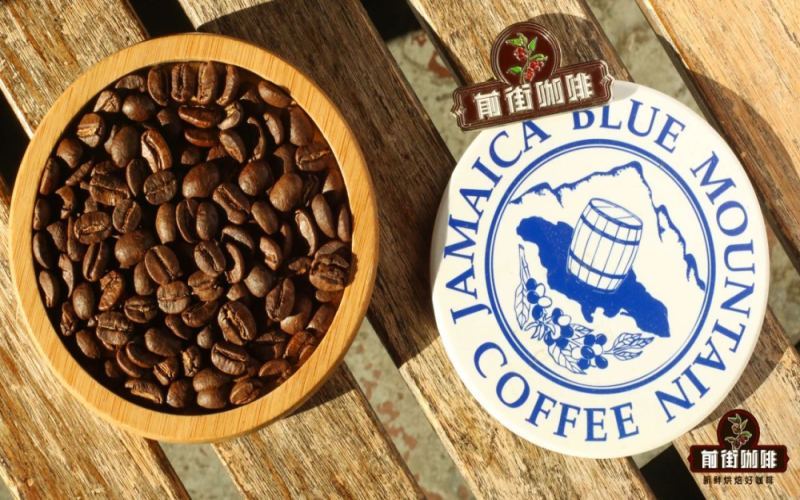
Jamaica Blue Mountain No. 1 Coffee Beans Flavor Analysis: From Origin History to Authenticity Identification and Brewing Guide
Blue Mountain coffee is arguably the most recognizable name in the coffee world, appearing on supermarket shelves and in vending machines everywhere, yet beans that genuinely meet the Jamaican Blue Mountain standard are extremely scarce. This article begins with the Clifton Estate Blue Mountain No. 1 selected by Front Street Coffee, and examines the growing conditions of Jamaican Blue Mountain coffee, its varietal characteristics, the flavor differences between the washed and natural processing methods, its rise and fall since the eighteenth century along with the government regulatory system, and offers practical criteria for identifying authentic Blue Mountain coffee, the basis for its grade classification, as well as Front Street's brewing parameters using the KONO dripper and a flavor comparison, to help coffee enthusiasts gain a comprehensive understanding of this classic coffee. [more…]
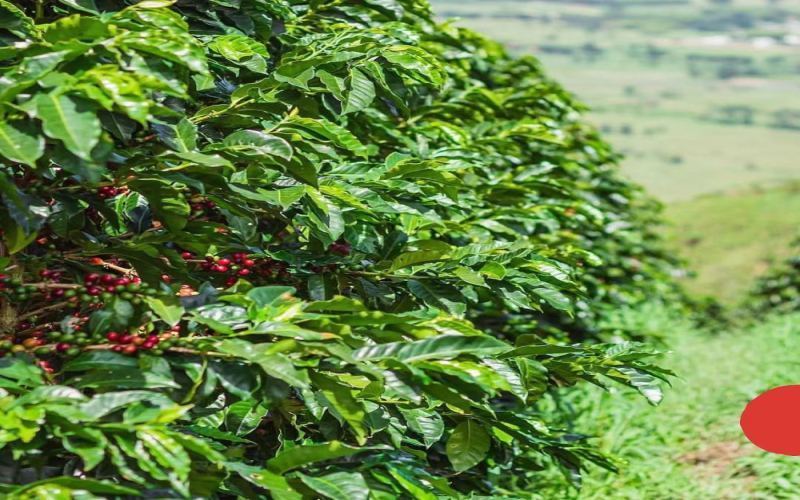
A Complete Analysis of Colombia's Coffee Bean Grading System and Regional Flavor Characteristics: From Excelso to Huila Washed
Colombia, with its exceptional geographical and climatic conditions, has become a major producer of high-quality Arabica coffee worldwide. This article systematically reviews the grading standards for Colombian coffee beans, from UGQ and EP to Supremo, explaining the meaning of the Excelso export grade and its screen size specifications; it also delves into the diverse microclimates formed by the three major mountain ranges of the Andes, the varietal composition including Caturra and Geisha, the predominantly family-farm-based washed processing method, and the Huila specialty production region that has attracted much attention in recent years. Front Street Coffee uses a washed Huila everyday coffee as an example to share the classic sweet and mellow flavor under medium-dark roasting and a KONO dripper brewing method, taking you through a complete picture of Colombian coffee from origin to cup. [more…]